

Meet Takako
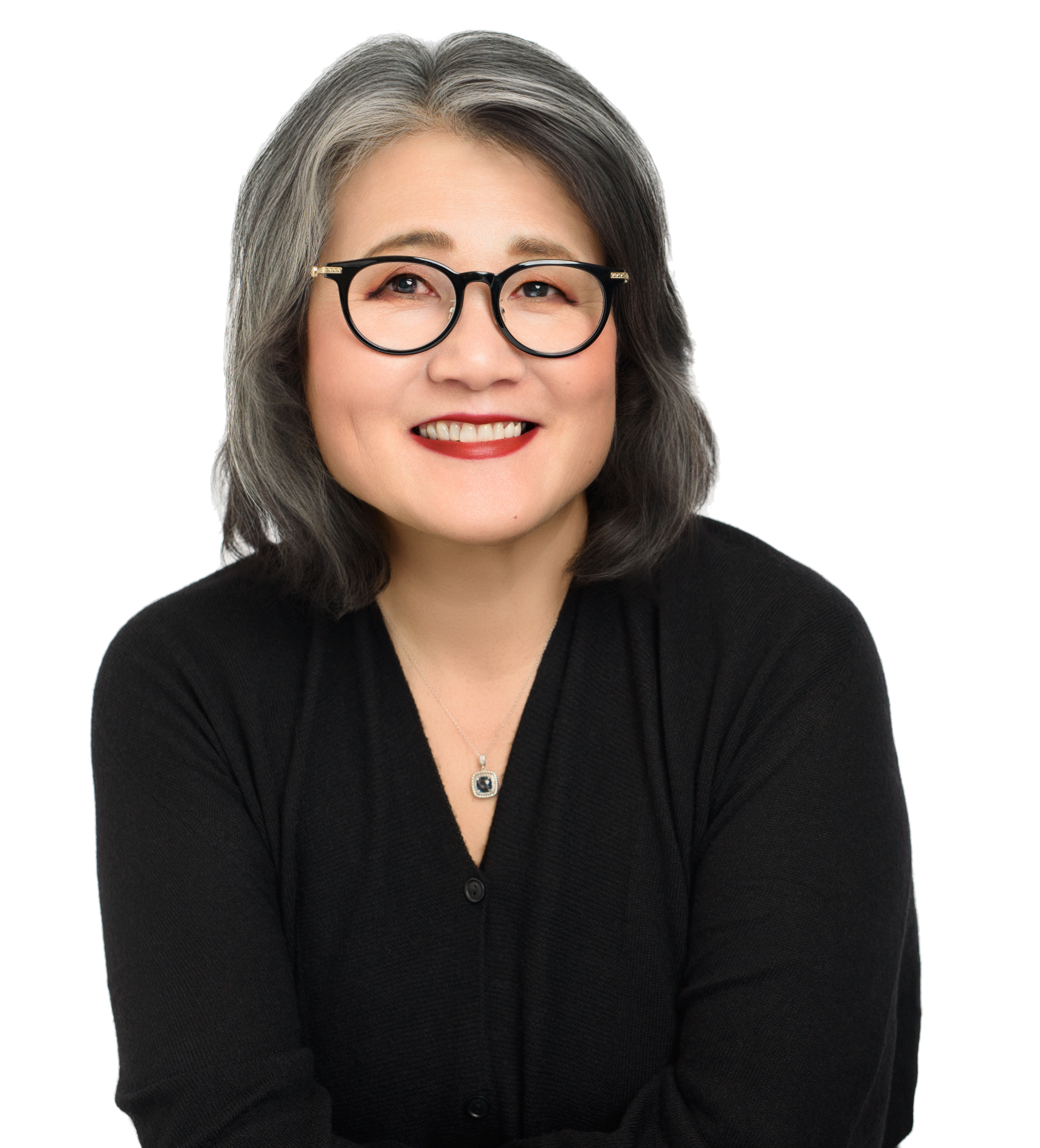
Takako Molgard (she/her) is a Licensed Clinical Mental Health Counselor (LMHC) in Washington
She specializes in working with adults who have experienced multiple traumas over their lifespan, a condition called Chronic Post-Traumatic Stress Disorder (c-PTSD)
Using Lifespan Integration therapy, which integrates pieces of our self, and somatic interventions which help regulate the nervous system, we approach trauma healing in a way that’s more holistic, gentle, & affirming
私は日本語を話します!
Providing trauma therapy online to individuals anywhere in Washington state & in-person therapy in Tacoma

Our Philosophy
The Mountain,the Crane,
& the Rising Sun
We are called Kuyama Counseling, after our founder’s family name. Kuyama, 久山, or “forever mountain”, is a poetic Japanese concept.
We believe one’s therapist must be strong, stable, and unwaveringly compassionate. Our clients are the ones who move mountains. We are part of an ancient lineage of seekers, grappling with life’s trials.
The crane represents prayers for the suffering, telling that you are not alone.
These symbols rest under the rising sun. In Japan, the rising sun has many layers of meaning. Here, it signifies hope and a new beginning.
Issues we specialize in treating:
C-PTSD
Chronic (more than once, over someone’s lifespan) post-traumatic stress disorder (PTSD) is now referred to as C-PTSD by many professionals and laypeople alike. This term defines the kind of traumatic response which happens when people are exposed to various kinds of trauma. Many people would not label what happened to them as traumatic. But the symptoms are the thing that clues us in as professionals. CPTSD shares depression, anxiety & panic, and things like insomnia with PTSD. But it also includes fundamental damage to relationships and sense of self, often accompanied by shame.
Addiction
Many who find themselves trapped in the cycle of suffering, using, craving, withdrawal, abstinence, & relapse can be desperate to find a new way to cope with life’s challenges & pain. Yet, when we lean on substances, it also affects our relationships, work, self, and sense of hope. What many don’t realize is that addiction has causes and risk factors, such as genetics and trauma. Trying to change behaviors isn’t as easy as healing from the causes & conditions. Therapy can be the gateway to a new way of relating to substances.
Healing from Narcissistic Abuse
You may be searching for answers while you’re in a relationship (or after exiting one) where the other person resembles Dr. Jekyll & Mr. Hyde. They can be gracious and charismatic, then cruel and cold. You might often feel trapped or manipulated, or you may turn in on yourself. “Narcissistic abuse” is a term gaining a lot of traction for its ease of describing the side effects of living with those who have narcissistic traits or are formally diagnosed with Narcissistic Personality Disorder. The resulting experience is confusion, hurt, and sometimes a diminished ability to cope. Therapy gives people a way of understanding the situation, a greater ability to cope, and a sense of hope can return.
The Impact of Asian Culture
Takako understands various aspects of Japanese and Asian culture through lived experience, training, and research. Her approach takes into consideration the social and historical issues at stake for many Asian-Americans, including first and second generation immigrants.
Attachment Issues
Attachment theory has gained a lot of momentum in the last decade, so many people come to counseling already understanding the ideas behind insecure attachment. It’s profound how far-reaching our earliest months of life can extend. Nearly all of our relationships and interactions are touched by attachment, and if there was neglect or abuse, relationships can become even more painful, confusing, and unmanageable.
Problems related to spirituality & religion
Supporting people through issues like faith crises, spiritual abuse, religious harm, questioning and/or sexuality, shifts in identity, or excommunication– without shame. This kind of therapy validates survivors of abuse or shunning, it addresses moral injury, imposter syndrome, internalized oppression, social stigma, internalized guilt, religion-based sexual issues, and other soul wounding. It is also a wonderful place to explore existential questions.
Sexual Assault
Not all therapists work with sexual trauma. Kuyama Counseling uses a variety of approaches that can help with bodily trauma from rape. Somatic therapies help people process sexual trauma using the body’s own innate wisdom. It helps connect you to yourself again after having your control taken away from you. Lifespan Integration can help us feel more whole again and restore our vitality so we can take on life’s challenges with agency and empowerment.
Women Ministers
We have a specialty niche of working with women who are in religious roles, which can be isolating and fraught for various reasons, including a sense of alienation. Societal biases can wear on you. Counseling others can lead to fatigue. You may suffer from "Wonder Woman Syndrome": overcompensation & the feeling you need to over-perform/ over-commit, leading to chronic stress and burnout. Balancing these demands with family life can become too big to tough out on your own.
Birth Trauma
If you came into the world in a traumatic way, sometimes this impacts you in ways you can’t explain. If you know the story of your birth and it was fraught, you could have birth trauma to explore and heal from.
Immigration
Emigrating comes with unique challenges & processes that not everyone knows about. Cultural conflicts, assimilation and acculturation, familial and financial pressures, learning a new language- even for second gen folks. It’s a lot on top of everything else to worry about your citizenship status, deportation, and minority stresses. Therapy can help and teach us skills to cope with our transition and its many emotions.
Adoption
Therapy for adoptees helps process identity questions, feelings of grief & loss, and attachment insecurity patterns that often stem from early life’s wounds. Adoption can cause trauma. Working with a therapist on adoptee experiences + your other life issues can improve your outlook, emotional regulation, close relationships, and improve your overall self-concept. Interracial adoptees and their parents often benefit from counseling to teach parents to understand the experience of their children, who often straddle a silent divide.
Borderline & other Personality Disorders
Many folks with PD traits and symptoms do not know that their struggles arise from personality disorders. “Personality disorder” is a misleading term. There’s nothing wrong with who you are. BPD carries a lot of social stigma and can be difficult to treat. But the prognosis is great in therapy- if you have someone who understands and knows how to treat it.
Domestic Violence
Therapy for people pleasing focuses on helping individuals establish healthy boundaries and recognize their own needs without excessive guilt. We use psycho-education, LI and SE for changing the patterns in belief systems while promoting nervous system regulation so that clients can get “self” back to oneself without guilt.
Acute Trauma
Single incident trauma, such as car accidents, mugging, or a house fire, can cause significant harm to our sense of safety. These events shake us to our core and can make living your normal life difficult. You might experience a fear of leaving the house, have nightmares, or you might just be living with more irritability not knowing why. Therapists who specialize in trauma can help you identify whether you are experiencing trauma. Acute trauma is treated successfully with therapy.
Traumatic Loss
If you’ve lost someone in a way that was scary, sudden, violent, or otherwise traumatic, you could be experiencing a unique kind of grief, coupled with the effects of trauma.

Our Services
Emotional Support Animal (ESA) letter-writing
Workshops for Religious Leaders
Individual Therapy
LI therapy for certification
Immigration Evaluation
New! Now Offering Lifespan Integration Consultation

Rates
One hour individual consultation $150
Group of three 90 mins $75 per person
Offering short consultations for interns & students: 20mins for $35

Contact us
お気軽にご連絡ください

More about Takako
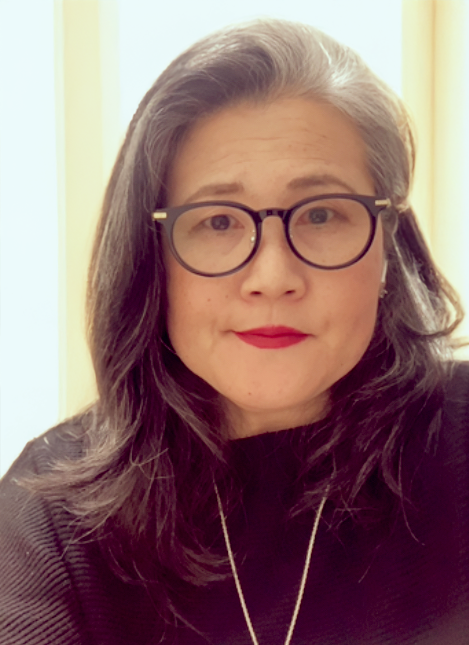
You’re looking for a therapist who is direct, honest & trustworthy.
In Takako, you will find someone who is down-to-Earth & funny, and not afraid to give feedback. She’s also ok with being wrong - sometimes it’s an opportunity to do attachment repair.
She is organized, goal-oriented, and wants her clients to graduate from therapy. She’s not lovey-dovey, but she is gentle. All treatment planning is collaborative and clients should be ready for a challenge.
She is not a specialist in neurodivergence but many of her clients are neurodivergent. She is affirming of many identities, including LGBTQ+.

Trauma Treatment Modalities


Lifespan Integration
Individual Therapy


Mindfulness & Meditation
Somatic Experiencing
Lifespan Integration USA
Lifespan Integration (LI) therapy is a body-based psychotherapy that helps heal trauma, neglect, and attachment issues by integrating fragmented memories and feelings into the whole self, using a visual timeline to weave past experiences into the present body-mind. It works by creating a "movie" of life, allowing the adult self to provide soothing and understanding to younger, wounded parts.
We like to think about it like psychological acupuncture: poke the nervous system for a moment so you don’t have to stay trapped in the past.
Move beyond the past.
Metabolize difficult emotions for good.

Let’s talk.

Individual Therapy Rates
Intake session: $200
Weekly therapy:
50-60 minutes = $170
We do have some sliding scale spots available for $80-160.
For more information or to be placed on our waiting list, please reach out.
More Techniques & Approaches
Attachment-based counseling
Attachment-based counseling helps clients understand how early relationships shape current patterns of relating, emotions, and coping, and uses that insight to form a secure therapeutic relationship that models trust and responsiveness. By focusing on repairing attachment ruptures and building new, corrective interpersonal experiences, it supports clients in regulating distress, increasing emotional awareness, and developing healthier ways of seeking and giving support.
Mindfulness & More…
We integrate various theories and philosophies in the treatment of trauma. We can share mindfulness and meditation if clients are interested. We promote the use of imagination while we venture to reparent your inner child. This repairs attachment ruptures using relational psychotherapy. We use psycho-education to share ideas like Polyvagal theory from a collaborative perspective. What this means is we take a complex, holistic, integrated approach.
Lifespan Integration
Lifespan Integration therapy involves gently guiding you through your life memories to help connect past experiences with present feelings, promoting healing and emotional balance. It is especially helpful for resolving trauma and improving overall mental well-being by fostering a sense of safety and continuity in your life story.
Multicultural Awareness
Feeling like you have a therapist who understands is paramount to how well you do in counseling. While we can’t share all of our identities with our therapist, knowing they understand experiences of oppression helps skip the part where we feel we must explain. Multiculturally-aware and responsive therapists have taken trainings to understand culture and identity’s impact undo oppression in the counseling room.
Somatic Experiencing
Somatic Experiencing is a body-centered approach to healing trauma that helps people notice and safely release trapped physical energy and stress held in the nervous system. It’s useful for reducing chronic anxiety, panic, dissociation, and bodily symptoms of trauma by teaching gentle, present-moment awareness and self-regulation skills that restore a sense of safety and groundedness.

Paying for Therapy
We take Premera & Regence insurance at this time.
I do not take Medicare or Medicaid (Apple Health)
These are both Blue Cross Blue Shield insurances. If you have BCBS, we may still be able to bill your plan. Contact us to find out more.
-
If you have out-of-network benefits, you may seek reimbursement if you wish. I do this by providing you with a “superbill”. This is a monthly receipt that shows what services you received and the amount you’ve already spent.
You may submit claims for reimbursement with your insurance company. The process for claim submission is different for each plan. Please contact your insurance to find out how you can submit superbills (as opposed to single session claims). You do this by calling the number on the back of your insurance card.
State insurances, otherwise known as Medicaid/Medicare, do not reimburse for out-of-network behavioral health services.
-
We take Premera & Regence insurance at this time. I do not take Medicare or Medicaid (Apple Health).
With any other insurance, you will need Out of Network (OON) reimbursement.
This means you will have to pay up front for therapy services and seek reimbursement from your insurance company if you have out-of-network benefits.
-
Here are some helpful questions to ask your insurance provider:
Do I have behavioral/mental health coverage under my plan?
How many outpatient psychotherapy sessions am I allotted in my plan?
Do I have out-of-network benefits for behavioral health on my plan?
(If yes,) Do I have a deductible?
(If yes,) What part of that deductible have I met so far (if at any)?
What is my co-pay/co-insurance for out-of-network behavioral health visits?
How do I submit “Superbills” for reimbursement?
Are there any limitations, requirements, or restrictions in accessing my plan?
Am I limited to a dollar amount per year that will be covered?
-
You can pay for your therapy with Health Savings Accounts (HSA) or Flexible Spending Accounts (FSA). However, you technically are not supposed to use these cards for missed appointments.
You can generally use your Health Savings Account (HSA) to pay for therapy and counseling services, but there are important stipulations to keep in mind.
Here's a breakdown of what you need to know:
Eligibility
Medically Necessary: The therapy or counseling must be for a diagnosed medical condition, including mental health conditions like anxiety, depression, or PTSD. General counseling for stress reduction or personal development typically won't qualify.
Qualified Healthcare Provider: The therapist or counselor needs to be a licensed healthcare professional.
Documentation: You may need a Letter of Medical Necessity (LMN) from your healthcare provider, especially if the therapy is considered non-traditional, or if your HSA administrator requires it. This letter should detail the medical condition and the necessity of the therapy. Keep detailed records of your expenses for potential audits.
HSA Eligibility Requirements: To open and contribute to an HSA, you generally need to be enrolled in a high-deductible health plan (HDHP) and not have other non-HSA-compatible health insurance.
-
If you have a health plan through a job, you can put your Flexible Spending Account (FSA) card on file to pay for health care costs, including deductibles, copayments, & coinsurance. This can lower your taxable income. These cards cannot be used for missed appointment or late cancellation fees.
How Flexible Spending Accounts work:
A Flexible Spending Account (FSA, also called a “flexible spending arrangement”) is a special account you put money into that you use to pay for certain out-of-pocket health care costs. You don’t pay taxes on this money. This means you’ll save an amount equal to the taxes you would have paid on the money you set aside.
Employers may make contributions to your FSA, but they aren’t required to.
With an FSA, you submit a claim to the FSA (through your employer) with proof of the medical expense and a statement that it hasn't been covered by your plan. Then, you’ll get reimbursed for your costs. Ask your employer about how to use your specific FSA.
To learn more about FSAs, contact your employer for details about your company’s benefits, including how to sign up.
-
New federal laws help protect people from surprise medical bills with a Good Faith Estimate. This is called the “No Surprises Act”.
The No Surprises act which is a part of the consolidated Appropriations Act of 2021, is designed to protect clients from receiving unexpected medical bills. You have the right to receive a “Good Faith Estimate” explaining how much your medical care will cost. Under the law, health care providers need to give patients who don’t have insurance or who are not using insurance an estimate of the bill for medical items and services.
You have the right to receive a Good Faith Estimate for the total expected cost of any non-emergency items or services. This includes related costs like medical tests, prescription drugs, equipment, and hospital fees.
Make sure your health care provider gives you a Good Faith Estimate in writing at least 1 business day before your medical service or item. You can also ask your health care provider, and any other provider you choose, for a Good Faith Estimate before you schedule an item or service.
If you receive a bill that is at least $400 more than your Good Faith Estimate, you can dispute the bill.
The "Good Faith Estimate” is meant to give an idea of what you'll be charged, prior to beginning services. To estimate your yearly cost for therapy, take the rate you’re paying and multiply it by the number of weeks per year you expect to receive therapy. This will give you a picture of how much you may pay for therapy in a year with us.For more information about the No Surprises Act, please click here
-
Cancellation Policy:
You must cancel your appointment 48 hours in advance of the scheduled appointment. You will be charged the full amount of the session for missed appointments or failing to cancel 48 hours prior to your appointment. “No shows” will be charged the full session fee. Missed session fees cannot be reimbursed by insurance.

Let’s see if we’re a fit
with a consultation
Education:
2019 | MACP, Counseling Psychology | Seattle School of Psychology & Theology | Seattle, WA
Theology and Practical Ministry degree in Japan & the USA
Certifications & Trainings:
Certified Lifespan Integration Therapist*
Certified Lifespan Integration consultant
Somatic Experiencing
Various neurodiversity & somatic training & supervision
Washington License #: LH61221528
You may verify this with the Department of Health here
*This means someone has finished all of the levels of training and has gone through the certification process

Contact Us
By sharing personal information using this form, you acknowledge there are limits to the safety of your private health data. If you prefer a HIPAA-compliant form of communication, please email use the links below.